Date Published 23 February 2026
Highgate is a neighbourhood known for its pubs. From award-winning gastropubs, to musical pubs, to haunted pubs, to pubs with some of North London's finest beer gardens, thirsty residents are spoilt for choice when it comes to establishments serving up pints.
It might therefore come as a surprise to hear that the number of pubs in Highgate is paltry compared to what it was in days gone by. Believe it or not, Highgate was once home to over 30 pubs!
How is that possible?
Before it was transformed by the advent of trains and cars into the well-healed, leafy suburb of the present, Highgate was either the first or last stop out of London for people travelling by horse or their own two feet. Unsurprisingly, public houses offering room and board to the weary were in high demand. In the 18th and 19th centuries, the corridor between Highgate Hill and North Hill was lined with one ale palace after the other (as can be seen on this amazing - https://www.google.com/maps/d/viewer?mid=1GB4Pcn6REnxjmGGcxn3EgE7s35m6yxI6&ll=51.57194676926245%2C-0.13433733316272178&z=15)
But as we all know, times change, and over the years many a once-loved local watering hole has tapped out its final keg and closed its doors for good. What follows is a list of just a few of the notable Highgate pubs we've lost.
The Swan
Highgate's earliest known pub and brewery is first seen in public records from 1480. It is thought to have stood near the present day location of the Angel, so it is possible that the site of Highgate's first lost pub is now occupied by Taylor Gibbs!
The Fox & Crown
Located on Highgate West Hill, this pub earned a royal seal of approval in 1837 when none other than a young Queen Victoria rested there after her horses suddenly bolted and she suffered a terrible fright. The pub landlord was presented with the royal coat of arms, which he proudly displayed on the outside of the building. After the building was demolished, the Highgate Literary & Scientific Institute assumed care of the original plaque and still displays it at exhibitions to this day.
The Castle Inn
If you've ever walked past Castle Yard and wondered how it got its name, look no further. The Castle was situated on the corner at 56 North Road. Originally a rowdy boozer, it was transformed into a teetotal workman's café in the 1870s. The building was demolished in the 1960s to make way for Highgate School.
The Gipsy
The Gipsy stood along Muswell Hill Road near Wood Lane and served drinks to locals from the 1830s until 1907, when it was shut down for out of hours drinking and gambling. The building is long since demolished but the entrance to Highgate Wood across the street still bears the name Gipsy Gate.
The Wellington Inn
The Esso petrol station at the end of Archway Road was once the site of a pub that held boxing matches and trained amateur boxers in a gym downstairs. It was closed and demolished in 1988.
The Whittington & Cat
Named for the legend of Dick Whittington and his cat, this pub was located at the bottom of Highgate Hill. Passionate chronicler of lost drinking establishments, @londondeadpubs, describes it as having been a 'proper drinking pub' with décor unchanged since the mid-twentieth century and rumours of a hidden tunnel connecting it to the hospital. Despite securing status as an Asset of Community Value, it closed in 2012.
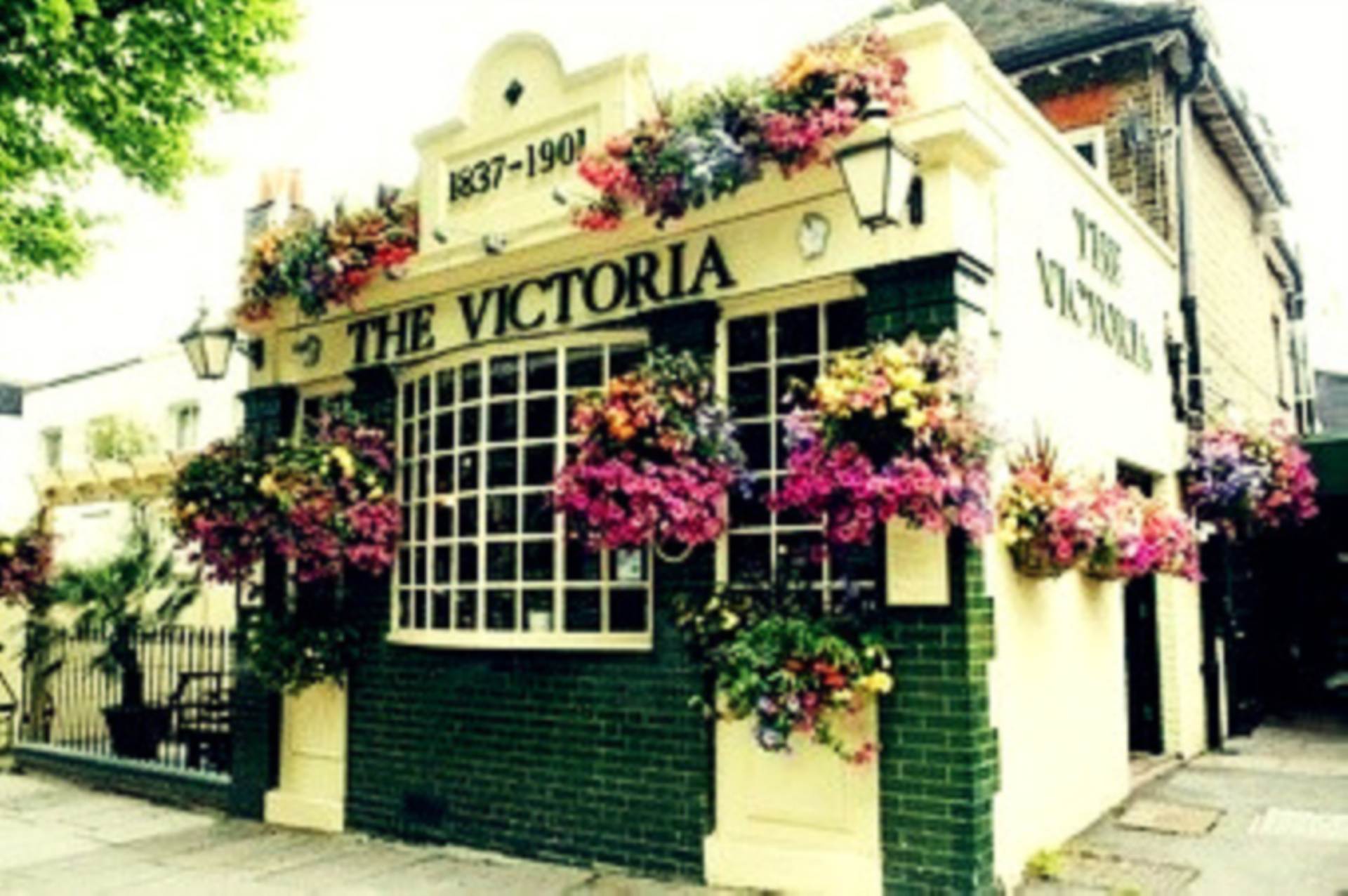
The Victoria
Located on North Hill not far from the corner of Church Road, the Victoria began life as a grocer's but by the reign of its namesake queen had transitioned to a more beer-forward trade. It lasted 180 years, during the most recent of which it boasted Google reviews for great food and a warm atmosphere. It was even known to host regular Kinks tribute nights attended by Ray Davies himself. Its closure in early 2016 was met with great sadness. It has since been slated to face the wrecking ball several times but as of today still stands, so perhaps like the Winchester or the Crown, it could be resurrected?
Thinking about moving to Highgate? Reach out to the team at Taylor Gibbs for the full scoop on local amenities, community happenings, and of course, available homes.